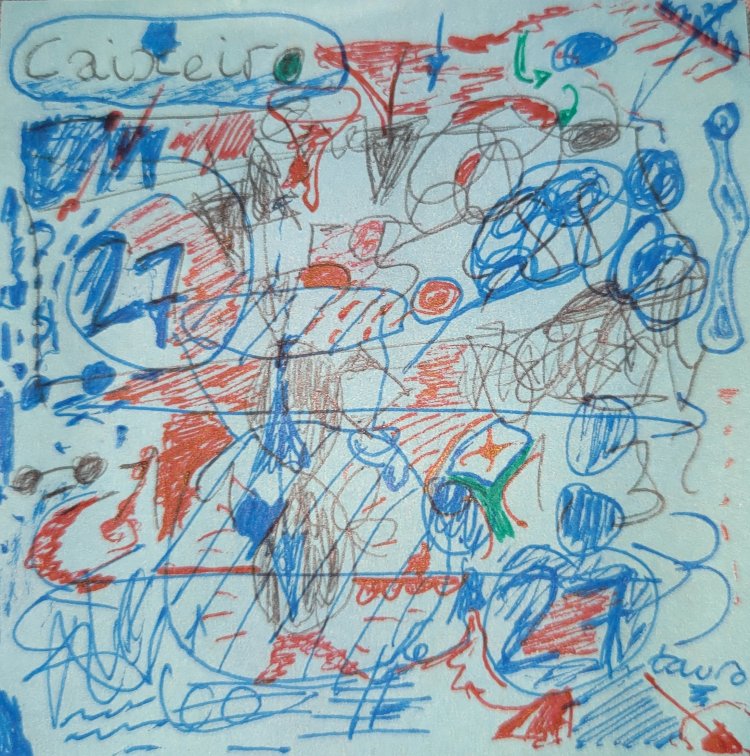
the last frontier (en – pt)

eager to explore
the last territories
I climbed the mountain
a world of stone and echoes
inhabited by skulls
of some horned animals
I scaled hours til got
stuck at a rock face
crying was purposeless
screaming would be
just a pointless call
to the mineral world
looking for the unknown
I had unveiled
the really unexplored region
I came across this fear
nesting within me
deep inside,
as part of the ADN
as a component of my blood
and geological soul of my bones

a última fronteira

ansioso para explorar
os últimos territórios
subi a montanha
um mundo de pedra e ecos
habitado por crânios
de alguns animais com cornos
escalei horas até ficar
preso em una parede de rocha
chorar não fazia nenhum sentido
gritar teria sido apenas uma chamada inútil
para o mundo mineral
procurando o desconhecido
tinha revelado
a região realmente inexplorada
encontrei-me com esse medo
aninhando dentro de mim
lá no fundo,
como parte do ADN
como um componente do meu sangue
e alma geológica dos meus ossos

Cristophe Condello: Résultat du concours pour l’attribution de mon recueil de haïkus Après la cendre chez Le Lys Bleu Éditions

Très fier d’y avoir participé et d’avoir eu une deuxième mention

Very proud to have participated and to have had a second mention

https://wp.me/p1g7it-L5

elexía a Loliña (gl – en)

busco un raio de luz
e un airiño fresco
por onde as rodas da silla
nos afasten do aséptico
almacén de persoas
a calor da miña man
na sua pel fina
borra por un intre
a soidade da prisión
e cun sorriso pillo
ensíname humanidade
falamos do pasado
o futuro non ten engado
segue a coidar
do seu territorio
veciños, amigas, netos
qué é de todos eles?

pasan os meses
que logo suman anos
deteriórase a saúde
a vida convertida nun laio
xa non quere sair ao frío
a cada paso máis
durmida
a cada semana máis
allea

para que a morte
non se perda
coma faro na noite
a pintura branca
das paredes de Paliativos
márcalle o camiño
por onde marcharán
as tres derradeiras
imperceptibles exhalacións
e os ataques de ansiedade
e as moscas
entrarán no oco
deixado pola sua alma

orballo, xiada
neboeiro baixo
vento
pasan pola finca
de madrugada,
e non topan palliña de herba
folla, raíz, talo, rego
onde asir o desespero
nin sequera as duras
follas do limoeiro
toda a terra da finca
marchou nas uñas
de Loliña para que plante
tomates
alá onde agora estea
a horta é un deserto de pedra
dura ausencia
de hortelán e macela

elegy to Lolinha

I  look for a beam of light
and a breath of fresh air
where the wheels of the chair
take us away from the aseptic
people warehouse
the warmth of my hand
on his thin skin
erase for a moment
the loneliness of prison
and with a mischievous grin
she teaches me humanity
we talk about the past
the future has no charm
she continues to care
of its territory
neighbors, friends, grandchildren
what about all of them?

the months go by
that soon add up to years
health deteriorates
life became a lament
she no longer wants to go out in the cold
with every step more
asleep
with every week more
distant

the white paint
on the walls of Palliative Care
marks the path
like a beacon in the night
so that death doesn’t get lost
this path where the last three
imperceptible exhalations
will go away
and so anxiety attacks
and flies
will occupy the gap
left by his soul

dew, frost
low fog
wind
they pass by the farm
at dawn
and find no blade of grass
leaf, root, stem, furrow
where to grab despair
not even the firm
lemon leaves
all the soil of the farm
is gone on Lolinha’s fingernails
for her to plant tomatoes
wherever she is now
the garden is a desert of stone
hard absence
of mint and chamomile

pai imperfecto (gl – en)

non souben ensinar o amor, 
só adoitaba ser exemplo cumprindo as obrigas
mostrei o desapego, o desarraigo
e finalmente desapegáronse
era un pai imperfecto,
só importaba o afecto, tan escondido
tralos deberes, que non puideron velo
agora quero deixar o traballo,
sentar á porta do supermercado
onde elas compran a cola do desapego
e barrer ca língua as baldosas
cun cartón marrón coa miña demanda
“oubliez tout ce qui n'a pas été dit”
se aínda falades a nosa língua
mulleres que andaredes batendo na vida
polo mundo adiante, cargadas de indiferenza
como un peixe que deixa os ovos na corrente
desperto nas noites co que evito ver de día
son un papá desherdado, un papá sen fillas
o amor era unha novela que se acabou un día
na porta do súper, agardo súper delgado
apenas me alimento, so lambo as baldosas
no reverso da cartolina de mendigo
“even if I close my eyes je vous vois encore à mes côtés”
non hai máis aprendizaxe que a indiferenza
despois dos miles de contos para durmir
dos biberóns e os cueiros
pasou algo através da miña pel que se metera na vosa?
só o desapego deste último Mohicano
que non foi quen de entregar todo o amor que tiña
e agora nas noites cúbrome co meu cartón de lágrimas e aquel residuo abrasa
un fracaso de papá, comesto polo acedo esquencemento
meus cariños, meus alevíns de maragota, miñas fillas afastadas
a soidade aplástame e leva o aire
non quero máis…
só sentar á porta do supermercado, escualido malnutrido, apenas xa un ser humano
un día baixarán os ollos e non recoñecerán
esta alma escachada que xa non consegue máis
apartar a verdade, a inmensa dor de non vos ter
mírase mellor canto máis pecho os ollos
e canto máis avanza a noite máis o insomnio me cobre

imperfect father

I didn't know how to teach love,
just used to set an example of fulfilling my obligations
I showed detachment, uprooting
and finally they left
I was an imperfect father,
all that mattered was affection but it was so hidden
behind duties that they could not see it
now I want to quit my job
and to sit down by the supermarket door
where they bought the detachment glue
and sweep the tiles with my tongue
showing a brown card with my demand
“oubliez tout ce qui n'a pas été dit”
if you still speak our language
women fighting for life
around the world, laden with indifference
like a fish that lays its roes in the ocean current
I wake up at night with what I avoid seeing during the day
I’m a disinherited dad, a daughterless dad
love was a novel that ended one day
at the supermarket door, a super skinny man is waiting for
I barely feed myself, I just lick the tiles
on the back of my beggar card
"incluso si cierro los ojos je vous vois encore à mes côtés"
there is no more learning than detachment
after thousands of bedtime stories
of baby bottles and nappies
did something pass through my skin that has embedded in yours?
only the disregard of this last Mohican
unable to deliver all the love he had
and now in the nights I cover myself with my cardboard of tears and that residue burns me
A failure of Dad, eaten by the acid callousness
my loves, my young fishes, my distant daughters
loneliness crushes me and takes my breath away
I don't want any more ...
I just want to sit down by the supermarket door, a malnourished emaciated, barely a human being
one day they will lower their eyes and won’t recognize
this broken soul that no longer reaches
to set aside the truth, the immense pain of not having you
the more I close my eyes, the better it looks
and the further the night progresses, the more insomnia covers me.

Receita do pan para Alberto (gl – en)

Seguindo as receitas de Elaine Boddy, no libro Whole Grain Sourdough at Home, preparei tras máis dun ano de probas este pan para levarlle ao meu amigo Alberto que estivo esta semana ingresado por un susto co corazón.

Teño a miña masa madre na nevera dende que a creei no primeiro confinamento na primavera do 2020 (xa podería comezar a falar se fose humana!). Saqueina o xoves ao chegar do traballo e refresqueina, é dicir, engadín 60 gramos de fariña de forza (integral desta volta porque non tiña da branca) e 60 cc (=gramos) de auga. Deixeina que fose reactivándose o resto da tarde e toda a noite.

Pola mañá antes do almorzo collín 40 g desta masa madre activa e alimenteina con 80 g de fariña integral de forza e 40 cc de auga. Amasei unha boliña rápidamente e deixeina fora da nevera nun recipiente cuberta cunha tapa de silicona.

Pola tarde ao voltar do traballo pasei polo co-op e collín un paquete de fariña de trigo de forza. A masa madre xa medrara o que tiña que medrar. E comecei ás 17:15 co proceso de amasar o pan de Alberto. 

Compoñentes 

  • 140 g da masa madre alimentada
  • 420 cc de auga
  • 700 g de fariña (400 f de trigo de forza, 200 de trigo integral de forza, 100 centeo branco)
  • 11 g de sal

1.- Boto no bol a masa madre e toda a auga, e coa man misturo ben durante 5 minutos, as levaduras actívanse, a auga tórnase branca.

2.- Bótolle enriba as fariñas e vou mezclando co lambedor, durante uns 10 minutos. Ao final do proceso, cando xa comeza a aparecer a bola de masa, continuo un pouco coas mans, ata que queda creada unha masa compacta.

3.- Ás 17:30 deixo a bola de masa no bol cuberta durante unha media hora e logo engádolle o sal volvendo amasala coas mans.

4.- Seguindo as receitas de Elaine, nas seguintes horas voulle dando amasados ata que antes de me deitar, doulle o último e métoa na nevera para que pase a noite cun proceso de fermentado lento. En total fixenlle 4 amasados rápidos (2 – 3 minutos) tralo amasado do sal.

5.- 22:30 nevera

6.- 4:30 sácoa da nevera e amásoa lixeiramente. Simplemente pregala duas veces pola metade en cruz e apretala para que compacte. 

7.- Preparo o banetone enfariñado e coloco a masa coa superficie suave cara abaixo.

8.- 2,5 horas de nevera

9.- 7:00 sácoa da nevera e como vexo que non medrou nada… pásoa xa a cacerola de fundición onde a vou cocer e a deixo unha hora e media preto do radiador para que vaia subindo pouco a pouco, e funciona. Acada un tamaño xeitoso.

10.- 8:30 métoa no forno a 230 sen prequentar. O testo posto

11.- 9:10 sácolle o testo e deixo aínda 10 minutos máis para que colla un bo color por riba

Et voilà. Velaquí o tedes. 

12.- póñoo sobre a reixa a enfriar durante media hora. Envólvoo nun par de trapos de cociña e marcho a casa de Alberto.

Bread recipe for Alberto

Following the recipes of Elaine Boddy, in her book Whole Grain Sourdough at Home, I prepared this bread, after more than a year of testing, to take to my friend Alberto who was hospitalized this week for an issue with his heart.

I’ve had my sourdough starter in the fridge since I created it during the first covid lockdown in the spring of 2020 (It could already start talking if it were human!). I took it out on Thursday when I arrived from work and fed it, that is, I added 60 grams of strong wholemeal wheat flour (wholemeal this time because there has no other wheat flour at home) and 60 cc (= grams) of water. I let it be reactivated the rest of the evening and all night.

In the morning before breakfast I used 40 g of this active sourdough starter and fed it with 80 g of wholemeal wheat flour and 40 cc of water. I kneaded a dumpling quickly and left it out of the fridge in a bowl covered with a silicone lid.

In the afternoon when I got home from work I went through the co-op and picked up a packet of whole wheat flour. The sourdough starter had already grown what it needed to grow. And I started at 17:15 with the process of kneading Alberto’s bread.

Ingredients

  • 140 g of the fed starter sourdough
  • 420 cc of water
  • 700 g flour (400 strong white wheat f, 200 strong wholemeal wheat f, 100 white rye f)
  • 11 g of salt

1.- I pour all the water into the bowl and add the sourdough starter. With my hand I mix well for 5 minutes, the yeasts are activated, the water turns white.

2.- I put the flour in the box and mix with the spatula for about 10 minutes. At the end of the process, when the dough ball begins to appear, continue a little with your hands, until a compact dough is created.

3.- At 17:30 I leave the ball of dough in the bowl with a silicon lid for half an hour and then add the salt and knead it again with my hands.

4.- Following Elaine’s recipes, in the following hours I will knead several times. Before I go to bed I knead it the last time and put it in the fridge so that it can spend the night with a slow fermentation process. In total I made 4 quick kneadings (2 – 3 minutes) after kneading to add the salt.

5.- 22:30 fridge

6.- 4:30 I take it out of the fridge and knead it lightly. Simply fold it twice in half crosswise and squeeze it to compact.

7.- Prepare the bannetone by sprinkling it with flour. I place the dough with the soft surface facing down.

8.- 2.5 hours in the fridge

9.- At 7:00 I take it out of the fridge and as I see that the dough has not grown at all… I put it in the cast iron casserole where I am going to cook it and leave it for an hour and a half near the heater so that it goes up little by little, and it works. It reaches a nice size.

10.- 8:30 I put it in the oven at 230 degrees without preheating. The casserole with its lid on.

11.- 9:10 I take out the lid and give it another 10 minutes to get a good colour on top of the loaf

Et voilà, here it is!

12.- I put it on the rack to cool down for half an hour. I pack up with some kitchen rags and go to Alberto’s house.

A carga (gl – en)

Nesta praia onde nos deixou 
a tormenta varados
non queda sol que quente
as roupas molladas
e a area na que se enterran os pes
non recorda as pás de xoguete
senon os sacos de cemento
que queiman as zonas sensibles da pel
para selar o interior
- aquí as feridas tardan en curar
- e deixan cicatrices abultadas
- imposibles de ignorar

Onde estamos papá?
qué tipo de seres somos
nesta mesma praia encallados
onde a tormenta nos cuspiu
aburrida de arrebolarnos
cargados coas nosas lousas
que xa ninguén agarda
- por fidelidade aos antergos
- moi fortes e moi mortos todos
finalmente só quedamos nós
botemos as pedras ao mar
o océano non ten corazón
pero si dentes para moelas
e que non sirvan máis
para que os nenos se escondan
baixo o inmenso peso

The burden

On this beach where the storm
left us stranded
there is no sun left to warm up
our wet clothes
and the sand in which the feet are buried
does not remind the toy shovels
but sacks of cement
which burn sensitive areas of the skin
to seal the interior
- here the wounds take time to heal
- and leave bulging scars
- impossible to ignore

Where are we, Dad?
what kind of beings we are
on this very beach stranded
where the storm spat our bodies
bored of tumbling us
ballasted with our slabs
which no one is waiting for anymore
- for fidelity to the ancients
- very strong and very dead all of them
eventually we are the only ones left
let's throw those stones into the sea
the ocean has no heart
but it does have teeth for mill
and so they will no longer serve
for the children to hide
under all that weight

le pain et les larmes (fr – en)

le pain était mon projet
sans le savoir je mélangeais
chaque semaine des farines
rajustant à chaque nouvelle pâte
les proportion blés-seigle-épautre
et c’est aujourd'hui que j’ai trouvé
la raison de ma quête
au milieu de la matinée
lorsque la tempête se démenait
à courber les arbres 
et traîner par terre les poubelles
j’ai coupé une minute
le floux de travail
saisi une des tranches
et je l'approchais de mon nez
ce morceaux de pain
m’a donné un goût de yeux fermés
et voyage dans le temps
j'ai encore été le garçon
qui mangeait le pain chaud au village
chez mes grand-parents adoptifs
et j'ai pleuré en découvrant
ce que c'était le bonheur
quand il n'existait pas encore de mot 
pour le nommer.

bread and tears

Bread was my project
without knowing it I was mixing
flour every week
adjusting with each new dough
wheat-rye-spelt proportions
and today I found
the reason for my quest
in the middle of the morning
when the storm raged
to bend the trees
and drag the wheelbins on the ground
I cut off for a minute
workflow
seized one of the slices
and held it to my nose
this piece of bread
gave me a taste of closed eyes
and time travel
I was the boy again
who ate the hot bread in the village
with my adoptive grandparents
and I cried when I discovered
what was happiness
when there was no word yet
to name it.

Cando a morte dorme (gl – en)

Cando a morte dorme, saio á rúa e estas fachadas de ladrillo parécenme a obra de arquitectura máis fermosa que teña creado o ser humano. O rebumbio da xente movéndose en todas direccións mentres cruzo Longsight seméllame o ballet máis logrado.

Cando a morte descansa e nos deixa volver a encher o peito de aire novo, pode estar a chover ou a nevar, pero sempre asoma un raio de sol por entre as pólas das árbores.

When death sleeps

When death sleeps, I go out into the street and these brick facades look to me like the most beautiful work of architecture that human beings have ever created. The rumble of people moving in all directions as I cross Longsight seems to me the most accomplished ballet.

When death rests and lets us fill our chests with fresh air again, it may be raining or snowing, but there is always a ray of sunshine through the branches of the trees.

cauterizar as feridas (gl – en)

o coche vai cortando isobaras
como o coitelo na manteiga
e as rodas da neve
inchadas con soños de montaña
dannos a paz de adicar o tempo
a nós sós
e aos buratos da vida
por onde se nos desangra a esperanza
como auga nunha cesta,
cun ceo estrelado
cruzamos a fronteira
solitaria sobre o río ancho
avanzamos e as estrelas esváense
paseniñamente
só vai quedando Venus á frente
mentres baixamos cara ao sur
cosendo nos furos
por onde se sinte o fedor podre
do inferno,
o negro do ceo muda en azul escuro
e un asomo de laranxa
nalgures no horizonte
cauteriza as feridas abertas
desta noite que xa se derramou
por completo
ao chegar ao aeroporto
só queda o luceiro axexando
o noso bico de despedida

cauterize wounds

the car is cutting isobars
like the knife in butter
and winter tyres
inflated with mountain dreams
give us the peace of mind to dedicate time
just to ourselves
and to the holes in our lives
where hope bleeds
like water in a basket,
with a starry sky
we crossed the border
lonely over the wide river
as we advance the stars fade away
slowly
only Venus is left in front
as we descend south
sewing in the holes
where the rotten stench is felt
from hell,
the black of the sky changes to dark blue
and a hint of orange
somewhere on the horizon
cauterizes open wounds
of this night that has already been completely
spilled
on arrival at the airport
only the morning star lurks
our farewell kiss

Prière du pain (fr – en)

L'Univers a ses griffes peintes en rouge
avec du vernis à ongles où du sang sec
je crois que Lui, Il ne s'en aperçoit même pas
lorsqu'Il les enfonce dans nos entrailles.

Souffle vent de l'espoir tes nuages d'amour
fais tomber un brin d'humidité sur cette patrie d'ajoncs et ronces
pour que le blé pousse au milieu de ces épines
et que notre lot dans la forêt stérile
puisse rendre ne serait-ce qu'un mini-pain jaune
Délice entre nos dents fanées

Bread prayer

The Universe has Its claws painted red
with nail polish or dry blood
I believe that He doesn't even notice it
when He thrusts them into our bowels.

Blow wind of hope your clouds of love
let a bit of moisture fall on this homeland of gorse and brambles
so that the wheat grows in the middle of these thorns
and our plot in the barren forest
can produce even just a mini yellow loaf
Delight between our faded teeth

Publié d’abord dans le blog de Cristophe Condello

First published in Cristophe Condello’s blog