Receita do pan para Alberto (gl – en)

Seguindo as receitas de Elaine Boddy, no libro Whole Grain Sourdough at Home, preparei tras máis dun ano de probas este pan para levarlle ao meu amigo Alberto que estivo esta semana ingresado por un susto co corazón.

Teño a miña masa madre na nevera dende que a creei no primeiro confinamento na primavera do 2020 (xa podería comezar a falar se fose humana!). Saqueina o xoves ao chegar do traballo e refresqueina, é dicir, engadín 60 gramos de fariña de forza (integral desta volta porque non tiña da branca) e 60 cc (=gramos) de auga. Deixeina que fose reactivándose o resto da tarde e toda a noite.

Pola mañá antes do almorzo collín 40 g desta masa madre activa e alimenteina con 80 g de fariña integral de forza e 40 cc de auga. Amasei unha boliña rápidamente e deixeina fora da nevera nun recipiente cuberta cunha tapa de silicona.

Pola tarde ao voltar do traballo pasei polo co-op e collín un paquete de fariña de trigo de forza. A masa madre xa medrara o que tiña que medrar. E comecei ás 17:15 co proceso de amasar o pan de Alberto. 

Compoñentes 

  • 140 g da masa madre alimentada
  • 420 cc de auga
  • 700 g de fariña (400 f de trigo de forza, 200 de trigo integral de forza, 100 centeo branco)
  • 11 g de sal

1.- Boto no bol a masa madre e toda a auga, e coa man misturo ben durante 5 minutos, as levaduras actívanse, a auga tórnase branca.

2.- Bótolle enriba as fariñas e vou mezclando co lambedor, durante uns 10 minutos. Ao final do proceso, cando xa comeza a aparecer a bola de masa, continuo un pouco coas mans, ata que queda creada unha masa compacta.

3.- Ás 17:30 deixo a bola de masa no bol cuberta durante unha media hora e logo engádolle o sal volvendo amasala coas mans.

4.- Seguindo as receitas de Elaine, nas seguintes horas voulle dando amasados ata que antes de me deitar, doulle o último e métoa na nevera para que pase a noite cun proceso de fermentado lento. En total fixenlle 4 amasados rápidos (2 – 3 minutos) tralo amasado do sal.

5.- 22:30 nevera

6.- 4:30 sácoa da nevera e amásoa lixeiramente. Simplemente pregala duas veces pola metade en cruz e apretala para que compacte. 

7.- Preparo o banetone enfariñado e coloco a masa coa superficie suave cara abaixo.

8.- 2,5 horas de nevera

9.- 7:00 sácoa da nevera e como vexo que non medrou nada… pásoa xa a cacerola de fundición onde a vou cocer e a deixo unha hora e media preto do radiador para que vaia subindo pouco a pouco, e funciona. Acada un tamaño xeitoso.

10.- 8:30 métoa no forno a 230 sen prequentar. O testo posto

11.- 9:10 sácolle o testo e deixo aínda 10 minutos máis para que colla un bo color por riba

Et voilà. Velaquí o tedes. 

12.- póñoo sobre a reixa a enfriar durante media hora. Envólvoo nun par de trapos de cociña e marcho a casa de Alberto.

Bread recipe for Alberto

Following the recipes of Elaine Boddy, in her book Whole Grain Sourdough at Home, I prepared this bread, after more than a year of testing, to take to my friend Alberto who was hospitalized this week for an issue with his heart.

I’ve had my sourdough starter in the fridge since I created it during the first covid lockdown in the spring of 2020 (It could already start talking if it were human!). I took it out on Thursday when I arrived from work and fed it, that is, I added 60 grams of strong wholemeal wheat flour (wholemeal this time because there has no other wheat flour at home) and 60 cc (= grams) of water. I let it be reactivated the rest of the evening and all night.

In the morning before breakfast I used 40 g of this active sourdough starter and fed it with 80 g of wholemeal wheat flour and 40 cc of water. I kneaded a dumpling quickly and left it out of the fridge in a bowl covered with a silicone lid.

In the afternoon when I got home from work I went through the co-op and picked up a packet of whole wheat flour. The sourdough starter had already grown what it needed to grow. And I started at 17:15 with the process of kneading Alberto’s bread.

Ingredients

  • 140 g of the fed starter sourdough
  • 420 cc of water
  • 700 g flour (400 strong white wheat f, 200 strong wholemeal wheat f, 100 white rye f)
  • 11 g of salt

1.- I pour all the water into the bowl and add the sourdough starter. With my hand I mix well for 5 minutes, the yeasts are activated, the water turns white.

2.- I put the flour in the box and mix with the spatula for about 10 minutes. At the end of the process, when the dough ball begins to appear, continue a little with your hands, until a compact dough is created.

3.- At 17:30 I leave the ball of dough in the bowl with a silicon lid for half an hour and then add the salt and knead it again with my hands.

4.- Following Elaine’s recipes, in the following hours I will knead several times. Before I go to bed I knead it the last time and put it in the fridge so that it can spend the night with a slow fermentation process. In total I made 4 quick kneadings (2 – 3 minutes) after kneading to add the salt.

5.- 22:30 fridge

6.- 4:30 I take it out of the fridge and knead it lightly. Simply fold it twice in half crosswise and squeeze it to compact.

7.- Prepare the bannetone by sprinkling it with flour. I place the dough with the soft surface facing down.

8.- 2.5 hours in the fridge

9.- At 7:00 I take it out of the fridge and as I see that the dough has not grown at all… I put it in the cast iron casserole where I am going to cook it and leave it for an hour and a half near the heater so that it goes up little by little, and it works. It reaches a nice size.

10.- 8:30 I put it in the oven at 230 degrees without preheating. The casserole with its lid on.

11.- 9:10 I take out the lid and give it another 10 minutes to get a good colour on top of the loaf

Et voilà, here it is!

12.- I put it on the rack to cool down for half an hour. I pack up with some kitchen rags and go to Alberto’s house.

A carga (gl – en)

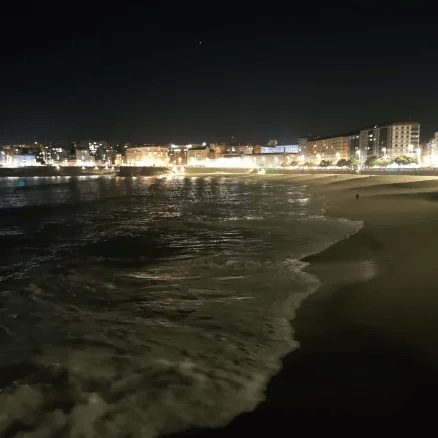
Nesta praia onde nos deixou 
a tormenta varados
non queda sol que quente
as roupas molladas
e a area na que se enterran os pes
non recorda as pás de xoguete
senon os sacos de cemento
que queiman as zonas sensibles da pel
para selar o interior
- aquí as feridas tardan en curar
- e deixan cicatrices abultadas
- imposibles de ignorar

Onde estamos papá?
qué tipo de seres somos
nesta mesma praia encallados
onde a tormenta nos cuspiu
aburrida de arrebolarnos
cargados coas nosas lousas
que xa ninguén agarda
- por fidelidade aos antergos
- moi fortes e moi mortos todos
finalmente só quedamos nós
botemos as pedras ao mar
o océano non ten corazón
pero si dentes para moelas
e que non sirvan máis
para que os nenos se escondan
baixo o inmenso peso

The burden

On this beach where the storm
left us stranded
there is no sun left to warm up
our wet clothes
and the sand in which the feet are buried
does not remind the toy shovels
but sacks of cement
which burn sensitive areas of the skin
to seal the interior
- here the wounds take time to heal
- and leave bulging scars
- impossible to ignore

Where are we, Dad?
what kind of beings we are
on this very beach stranded
where the storm spat our bodies
bored of tumbling us
ballasted with our slabs
which no one is waiting for anymore
- for fidelity to the ancients
- very strong and very dead all of them
eventually we are the only ones left
let's throw those stones into the sea
the ocean has no heart
but it does have teeth for mill
and so they will no longer serve
for the children to hide
under all that weight

le pain et les larmes (fr – en)

le pain était mon projet
sans le savoir je mélangeais
chaque semaine des farines
rajustant à chaque nouvelle pâte
les proportion blés-seigle-épautre
et c’est aujourd'hui que j’ai trouvé
la raison de ma quête
au milieu de la matinée
lorsque la tempête se démenait
à courber les arbres 
et traîner par terre les poubelles
j’ai coupé une minute
le floux de travail
saisi une des tranches
et je l'approchais de mon nez
ce morceaux de pain
m’a donné un goût de yeux fermés
et voyage dans le temps
j'ai encore été le garçon
qui mangeait le pain chaud au village
chez mes grand-parents adoptifs
et j'ai pleuré en découvrant
ce que c'était le bonheur
quand il n'existait pas encore de mot 
pour le nommer.

bread and tears

Bread was my project
without knowing it I was mixing
flour every week
adjusting with each new dough
wheat-rye-spelt proportions
and today I found
the reason for my quest
in the middle of the morning
when the storm raged
to bend the trees
and drag the wheelbins on the ground
I cut off for a minute
workflow
seized one of the slices
and held it to my nose
this piece of bread
gave me a taste of closed eyes
and time travel
I was the boy again
who ate the hot bread in the village
with my adoptive grandparents
and I cried when I discovered
what was happiness
when there was no word yet
to name it.

Cando a morte dorme (gl – en)

Cando a morte dorme, saio á rúa e estas fachadas de ladrillo parécenme a obra de arquitectura máis fermosa que teña creado o ser humano. O rebumbio da xente movéndose en todas direccións mentres cruzo Longsight seméllame o ballet máis logrado.

Cando a morte descansa e nos deixa volver a encher o peito de aire novo, pode estar a chover ou a nevar, pero sempre asoma un raio de sol por entre as pólas das árbores.

When death sleeps

When death sleeps, I go out into the street and these brick facades look to me like the most beautiful work of architecture that human beings have ever created. The rumble of people moving in all directions as I cross Longsight seems to me the most accomplished ballet.

When death rests and lets us fill our chests with fresh air again, it may be raining or snowing, but there is always a ray of sunshine through the branches of the trees.

cauterizar as feridas (gl – en)

o coche vai cortando isobaras
como o coitelo na manteiga
e as rodas da neve
inchadas con soños de montaña
dannos a paz de adicar o tempo
a nós sós
e aos buratos da vida
por onde se nos desangra a esperanza
como auga nunha cesta,
cun ceo estrelado
cruzamos a fronteira
solitaria sobre o río ancho
avanzamos e as estrelas esváense
paseniñamente
só vai quedando Venus á frente
mentres baixamos cara ao sur
cosendo nos furos
por onde se sinte o fedor podre
do inferno,
o negro do ceo muda en azul escuro
e un asomo de laranxa
nalgures no horizonte
cauteriza as feridas abertas
desta noite que xa se derramou
por completo
ao chegar ao aeroporto
só queda o luceiro axexando
o noso bico de despedida

cauterize wounds

the car is cutting isobars
like the knife in butter
and winter tyres
inflated with mountain dreams
give us the peace of mind to dedicate time
just to ourselves
and to the holes in our lives
where hope bleeds
like water in a basket,
with a starry sky
we crossed the border
lonely over the wide river
as we advance the stars fade away
slowly
only Venus is left in front
as we descend south
sewing in the holes
where the rotten stench is felt
from hell,
the black of the sky changes to dark blue
and a hint of orange
somewhere on the horizon
cauterizes open wounds
of this night that has already been completely
spilled
on arrival at the airport
only the morning star lurks
our farewell kiss

Prière du pain (fr – en)

L'Univers a ses griffes peintes en rouge
avec du vernis à ongles où du sang sec
je crois que Lui, Il ne s'en aperçoit même pas
lorsqu'Il les enfonce dans nos entrailles.

Souffle vent de l'espoir tes nuages d'amour
fais tomber un brin d'humidité sur cette patrie d'ajoncs et ronces
pour que le blé pousse au milieu de ces épines
et que notre lot dans la forêt stérile
puisse rendre ne serait-ce qu'un mini-pain jaune
Délice entre nos dents fanées

Bread prayer

The Universe has Its claws painted red
with nail polish or dry blood
I believe that He doesn't even notice it
when He thrusts them into our bowels.

Blow wind of hope your clouds of love
let a bit of moisture fall on this homeland of gorse and brambles
so that the wheat grows in the middle of these thorns
and our plot in the barren forest
can produce even just a mini yellow loaf
Delight between our faded teeth

Publié d’abord dans le blog de Cristophe Condello

First published in Cristophe Condello’s blog

Concours Numéro 30 revue Cairns

J’ai été vraiment heureux ce matin à l’aéroport de Porto; j’attendais à la porte numéro 11 le retour au Royaume Uni lorsque j’ai visité WordPress pour lire les nouvelles publications et j’ai appris que j’avais eu une dexième mention au concours de poésie dans le blog de Cristophe Condello.

Voci le lien: https://wp.me/p1g7it-CX

This morning I have been really happy at Porto airport; when I was waiting at gate 11 for the return to UK, I saw in WordPress I got a second mention in the Cristophe Condello poetry contest, held in his blog.

I would be very pleased if you visited by clicking this link: https://wp.me/p1g7it-CX

Esta mañá no aeroporto do Porto, mentres agardaba a volta ao Reino Unido na porta de embarque número 11, entrei en WordPress para ler as novas publicacións dos blogs que sigo e tiven unha moi agradable sorpresa, no concurso de poesía de Cristophe Condello obtiven unha segunda mención. 

Pódese acceder a través do seguinte enlace: https://wp.me/p1g7it-CX

A cociña de leña (gl – en)

Pola cámara vexo que te levantas e botas un pau máis na cociña de leña do noso fogar na tormenta 
volves á mesa e o son do lume envolvendo a madeira ponlle música de fondo á nosa conversa
os estralidos van gañando espazo e envolvendo as palabras que pasan a desaparecer tragadas tamén polas chamas
Paseniñamente, retrocedo máis de corenta anos ata o momento no que as herbeiras e os montes eran o noso terreo de xogo
e durante as grandes aventuras que alí corriamos con aquel degoiro no peito por descubrir todo o fantástico que a natureza acubillaba
os pes ían enchoupándose de orballo e as mans entumecéndose pola xiada
ao finalizar a expedición, ou ao aproximarse a hora da comida, o que primeiro chegase, volviamos á casa vella centro do noso universo infantil recibidos pola calor e o arrecendo doce da pota co leite das vacas a ferver; sentabámonos no banco corrido atrás da cociña de leña, o corazón da casa, o lugar máis confortable da Terra
e cunha culler recolliamos a tona do leite nunha rebanada do molete
empoada logo con azúcre era o mellor postre que se puider imaxinar
O noso fogar hoxe ten tamén un corazón quente onde sentirse protexido e querido mesmo no medio da treboada. O amor que se aprende de pequeno non se esquece máis.

The wood burning cooker

By the camera I see you get up and throw another log in the wood burning cooker of our home in the storm
you come back to the table and the sound of the fire enveloping the wood puts background music to our conversation
the crackles are gaining space and enveloping the words that are disappearing also swallowed by the flames
Slowly, I go back more than forty years to the time when grasslands and hills were our playground
and during the great adventures we ran there with that thirst in our chests for discovering all the fantastic that nature sheltered
our feet were soaked with dew and our hands were numb from the frost
at the end of the expedition or when it was time for lunch, whichever came first, we returned to the old house in the center of our children's universe, greeted by the sweet smell of the pot with boiling cow's milk; we sat on the long bench behind the wood stove, for us the heart of the house and the center of the world
with a spoon we collected the milk skin in a slice of galician country loaf - then sprinkled with sugar was the best dessert imaginable
Our home also has a warm heart today where you can feel protected and loved even in the middle of a tempest. The love you learn as a child is never forgotten.

Principles and roots (en – pt)

Poetry is my desperate attempt to become a human being instead of the ant that goes out every day in search of food

Poetry is the difference between staying just a rigid shape or being able to growing coloured blossoms around

I was an ox pulling a cart loaded with stones from the quarrel

I was a yoke of oxen dragging a heavy cart over square wheels 

And a herd of oxen tied with soil shackles to our land

I was the surface of the hard and hermetic things that keep feelings in the dark

Princípios e raizes

A poesia é minha tentativa desesperada de chegar a ser humano em vez da formiga que sai todos os dias a procura de alimento

A poesia é a diferença entre ficar apenas uma forma rígida ou ser quem de cultivar flores coloridas ao redor

Eu fui boi a puxar um carro carregado com pedra da pedreira

Fui junta de bois sob uma pesada carga acima de rodas quadradas 

E manada de bois amarrados com grilhões de terra ao nosso chão

Fui a superfície das coisas duras e herméticas que mantêm os sentimentos na escuridão

As últimas apertas (gl – en)

Coas últimas apertas tento conxelar o tempo, tapar o burato por onde abrollará a cachón a tristura. 

Pasamos sobre Rande despedíndome tamén da ría, ese mar recollido onde pacen rabaños de bateas. Adeus mexillóns, adeus aos oligoelementos! 

Coas últimas apertas tento cargar as reservas de cariño a rebordar, para cando veña a triste soidade poder pasarlle a língua á superficie doce dos recordos e tirar as vitaminas que tornen a enfermidade como se torna unha vaca das coles.

Dígolle adeus, xa dende a ventá do avión á cidade de edificios apertados acaroada ao mar, adeus aos verdes montes salpicados de casiñas, e á fin no interior, adeus á luz e ao aire do xardín que trouxeron un adianto da primavera, adeus logo ás primeiras flores da ameixeira.

Adeus sobre todo aos teus abrazos, porta doutra dimensión onde o espazo non permita viaxar e o tempo nunca se esgote para estarmos así xuntos por sempre.

The last hugs

With the last hugs I try to freeze time, cover the hole where sadness will spring up.

We passed over Rande bridge, also saying goodbye to the estuary, that secluded sea where herds of rafts graze.  Goodbye mussels, goodbye to the trace elements!

With the last hugs I try to fill the reserves of affection to overflow, so that when the sad loneliness comes I can pass my tongue to the sweet surface of memories to extract the vitamins that drive away the disease as the farmer shoos away the naughty cow that eats his cabbages.

I say goodbye, already from the plane window, to the city of tight buildings facing the sea, goodbye to the green hills dotted with houses, and eventually inside, goodbye to the light and air of the garden that brought a preview of spring, goodbye to the first plum blossoms.

And goodbye mainly to your hugs, door to another dimension where space does not allow travel and time never runs out to allow us to be together forever.